

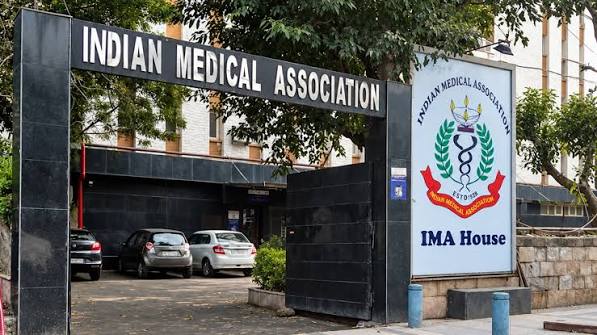
NEW DELHI: The Indian Medical Association (IMA), in collaboration with Abbott in India, has launched Indian Immunisation Week to increase awareness about influenza vaccination and strengthen preventive healthcare practices.
The initiative is being observed from September 21 to 27 and focuses on improving awareness about annual influenza vaccination, particularly among people who are more vulnerable to complications from the infection.
Young children, older adults, pregnant women, people with chronic medical conditions, those with weakened immunity and healthcare workers are among the groups being highlighted during the campaign.
The initiative also addresses uncertainty about vaccination during or after an episode of fever. The IMA has released expert-reviewed clinical recommendations to help healthcare professionals decide when vaccination can be administered to people who are ill or recovering from an illness.
According to the guidance, a mild fever generally should not be a reason to postpone vaccination. In cases of moderate or severe illness, vaccination may be deferred until the person has recovered, depending on the clinical situation.
The organisations said confusion around vaccination during fever can contribute to delays and missed opportunities for immunisation. The new recommendations are intended to give healthcare professionals a clearer framework for advising patients.
Data cited by the initiative indicate that adult vaccination coverage in India remains low. A National Sample Survey found that 1.98 per cent of adults aged 18 years and above had received adult vaccines, while coverage among people aged 60 and above was 0.40 per cent.
Influenza can cause serious complications in people at higher risk and may lead to hospitalisation. Annual vaccination is therefore being promoted as an important preventive measure.
The campaign also aims to address misconceptions surrounding influenza vaccination and encourage timely consultations with healthcare professionals.
The IMA and Abbott said Indian Immunisation Week is intended to become an annual platform for improving awareness of adult immunisation and promoting preventive healthcare.
The initiative places particular emphasis on clear communication between doctors and patients so that temporary illness does not unnecessarily result in prolonged delays in vaccination.

Comment here