

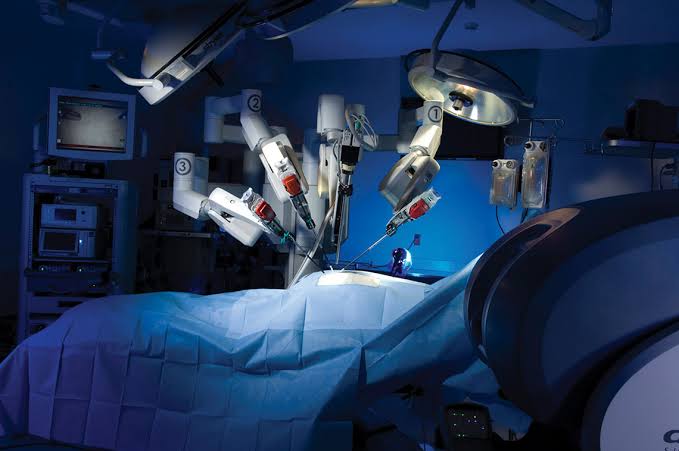
Robotic-assisted surgery is expanding rapidly in India, with the number of procedures increasing nearly five-fold in four years, according to data presented at the Society of Robotic Surgery India 2026 conference.
The number of robotic-assisted procedures across India increased from 8,912 in 2021 to 44,857 in 2025. Delhi-NCR has emerged as a major centre, with 39 hospitals currently having robotic systems, including 11 hospitals with more than one system.
Procedures in the Delhi-NCR region increased from 2,257 in 2021 to 10,937 in 2025. The technology is being used across several specialities, including general surgery, urology, gynaecology, head and neck surgery, thoracic surgery and cardiac procedures.
Experts at the conference discussed the growing role of robotic systems in minimally invasive surgery as well as the possibility of using technology to extend specialist expertise beyond major urban centres.
Robotic telesurgery is one area receiving attention. A recent procedure involved a surgeon operating remotely from Gurugram on a patient in Hyderabad, covering a distance of more than 1,600 kilometres.
A separate cross-border demonstration involved surgeons in India remotely operating a robotic system in Chengdu, China, during pre-clinical procedures.
Experts said such technology could eventually support remote surgical training, tele-mentoring and specialist assistance for hospitals in Tier-2 and Tier-3 cities. However, wider use of remote robotic surgery would require appropriate clinical protocols, reliable connectivity, cybersecurity measures, training, credentialing and regulatory safeguards.
The Union Health Minister, addressing the conference through a video message, highlighted India’s growing capabilities in artificial intelligence, digital health and surgical robotics.
The expansion of robotic surgery reflects the wider use of advanced technology in Indian healthcare. As more hospitals adopt robotic systems and clinical expertise grows, the focus is also shifting towards developing standards and infrastructure that can support safe and wider access to technology-assisted surgery.

Comment here